In home health care has become a popular option for many families seeking personalized care solutions. This type of care involves professional health services delivered in the comfort of one’s own home, providing a practical and effective alternative to institutional care. With an aging population and increasing chronic health conditions, the demand for in home care services is growing. Families appreciate the opportunity for their loved ones to receive medical attention while remaining in familiar surroundings, which often improves their overall well-being.
Furthermore, home care can be tailored to meet specific needs, enhancing the patient’s quality of life and offering peace of mind to the family.
There are several types of in home health care services available, ranging from skilled medical assistance to non-medical support. Skilled nursing care includes services like wound care, injections, and monitoring of vital signs, typically provided by registered nurses or licensed practical nurses. Non-medical care focuses on the daily activities of living, such as meal preparation, personal hygiene, and companionship. This variability allows families to select the level of care that is most appropriate for their needs, customizing their approach as circumstances change. The adaptability of in home care can also make it a financially viable choice compared to costly long-term care facilities.
Technological advancements have further bolstered the efficiency of in home health care, enabling remote monitoring and virtual consultations. These tools provide healthcare professionals with real-time data and facilitate timely interventions, improving patient outcomes. In addition, technology can connect caregivers with robust networks, offering them resources and support. Embracing digital tools in home health care helps reduce unnecessary hospital visits and can keep health care costs more manageable. As a result, patients benefit from a more comprehensive and responsive care plan, delivered right in the comfort of their homes.
Assessing Your Specific Needs
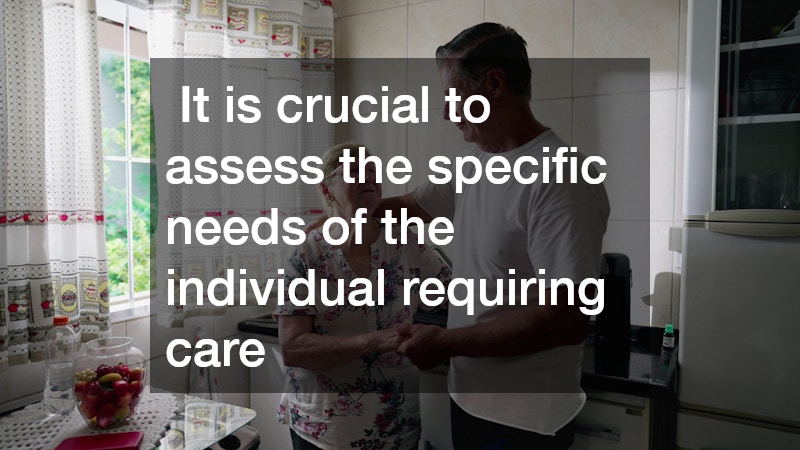
When considering in home health care, it is crucial to assess the specific needs of the individual requiring care. Begin by evaluating the medical and non-medical requirements of the individual, as well as any unique preferences or circumstances. Medical needs may include ongoing management of chronic conditions, post-surgical recovery, or regular health monitoring. Non-medical considerations could encompass assistance with meals, transportation, or companionship. A thorough assessment can guide families in selecting the right mix of services, ensuring that all aspects of the individual’s care are effectively addressed.
Engage in open conversations with healthcare professionals to understand the scope of in home health care and the services you can expect. Doctors and nurses can offer valuable insights into the level of care required, assisting families in making informed decisions. Additionally, consulting with an in home care agency can provide clarity on available services and help customize a care plan that matches the identified needs. They can collaborate with medical practitioners to tailor the right approach for the patient. This collaborative effort ensures a comprehensive care strategy that combines professional medical insights with personalized support.
In addition to the clinical and logistical considerations, consider the emotional and social aspects of the care arrangement. In home health care can enable stronger emotional bonds by keeping loved ones in familiar environments surrounded by family and friends. This aspect can be beneficial for mental health, improving mood and providing emotional security. Moreover, considering the patient’s personality and preferences can help create a nurturing and supportive care environment. Tailoring the care plan to include social interactions, hobbies, and activities they enjoy is equally important for a holistic approach to care.
Evaluating the Benefits and Drawbacks
To determine whether in home health care is suitable, it is essential to evaluate both the benefits and potential drawbacks. One of the primary advantages of in home health care is the personalized attention the patient receives. With personalized care, the patient gets one-on-one assistance from caregivers, leading to more tailored and effective care delivery. This approach can enhance the experience, as patients often feel valued and heard, reinforcing a sense of dignity. Additionally, being in a known environment can help reduce stress and promote well-being.
However, there are potential challenges to consider, such as the possibility of social isolation. While in home care provides personal attention, it might limit the patient’s social interactions, especially if mobility is restricted. For some families, coordinating medical and non-medical care can be complex, requiring time and effort to manage effectively. Financial considerations also play a role, as the costs of in home care can vary widely based on the level of services required. Despite these challenges, many families find that the personalized and compassionate care delivered at home outweighs potential drawbacks.
Another important factor to weigh is the availability of qualified caregivers. Finding caregivers with the right skills, experience, and attitude is crucial to ensure high-quality care. A thorough hiring process and careful selection can foster a positive and beneficial relationship between patients and their caregivers. Additionally, families should plan for long-term care solutions to ensure continuity of care. By considering both the benefits and challenges of in home health care, families can make informed decisions about their loved ones’ care needs.