As our loved ones age, the question of their care and needs becomes increasingly significant. Deciding on the best path can be challenging, balancing their health requirements with their desire for independence. Local home care emerges as a viable solution for many families, providing assistance while allowing seniors to remain comfortably in their homes.
The decision to utilize local home care services often stems from a need for personalized attention. This approach offers flexibility, allowing caregivers to design a plan that specifically addresses the individual’s lifestyle and health needs.
These services also ensure that seniors receive companionship and emotional support in a familiar environment.
The availability of local home care services is expansive and can include medical assistance, daily living activities, and transportation. Understanding when to consider these options can significantly enhance the quality of life for seniors. In this article, we will explore the signs that it might be time to consider local home care, the benefits it offers, and how to make an informed decision.
Identifying the Need for Home Care
Identifying the right moment to seek local home care is essential for promoting individual health and well-being. Families often notice changes in the daily activities of their loved ones, such as difficulty managing personal hygiene, meal preparation, or maintaining a clean household. These signs may prompt the need for professional assistance.
Furthermore, cognitive challenges, such as memory lapses or confusion, can indicate that seniors need more support than is available from family alone. In such cases, the specialized care provided by trained professionals could be crucial to their safety and independence. Early intervention can help maintain mental health and prevent further decline.
Physical limitations, whether due to chronic conditions or recovery from surgery, can also necessitate the need for local home care. Unlike hospitals or nursing homes, home care allows for a personalized approach, accommodating specific needs. This tailored support encourages faster recovery times and increases the chances of returning to independent living.
Benefits of Local Home Care
Local home care offers numerous benefits that significantly impact the quality of life for seniors and their families. Chief among these is the ability to remain in one’s own home, surrounded by familiar comforts. This setting is often less stressful and conducive to maintaining a healthy, balanced lifestyle.
Additionally, local home care provides one-on-one attention that is unmatched in other care settings. Caregivers develop strong relationships with those they assist, ensuring personalized care that acknowledges individual preferences and needs. This bond fosters a better understanding of the care recipient’s health and well-being, leading to improved outcomes.
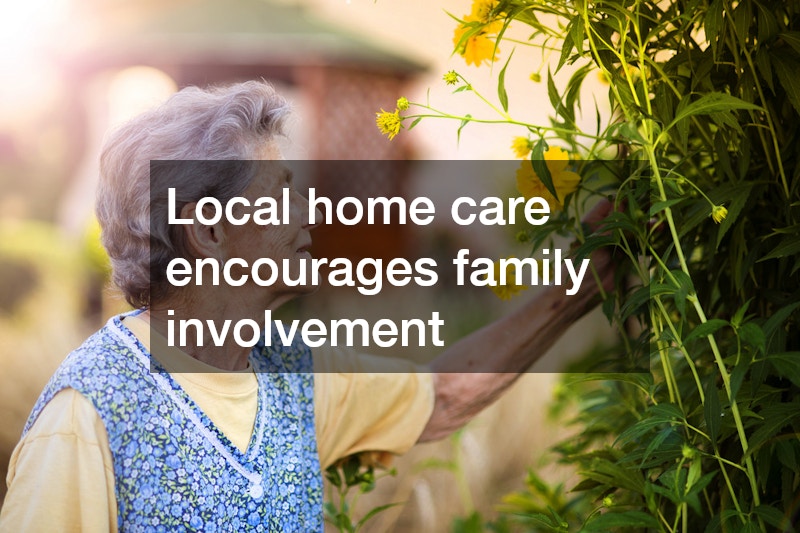
Also, local home care encourages family involvement, allowing relatives to participate actively in the care process. Families can remain engaged without the additional stress of being primary caregivers, ensuring their loved ones receive professional attention while maintaining family connections. This collaborative approach reduces caregiver burnout and ensures accountability.
Ensuring Quality in Local Home Care Services
Ensuring quality care is imperative when selecting local home care services, as it impacts both the senior’s health and peace of mind. Evaluating the credentials of caregivers and the agency’s reputation is a critical first step. Referrals from trusted friends or medical professionals can guide you towards reputable providers.
Transparency in services offered and their costs is another necessary factor to consider. Reputable home care services will provide clear, detailed information about what is included in their plans and any additional costs that may arise. This level of honesty establishes trust between the caregiving agency and the family.
Regular assessments of care plans and communication with healthcare providers are indispensable for maintaining the quality of care. Adjustments to the care regime should reflect any changes in the senior’s health status or personal needs. Families should engage in continuous dialogue with the local home care provider to ensure alignment with care objectives.
Making the Transition to Local Home Care
Transitioning to local home care can be a smooth process with proper planning and communication. It starts by having candid conversations with your loved one about their care preferences and involving them in decision-making. Their input is invaluable in crafting a care plan that respects their independence while addressing their needs.
Implementing home care services should be done progressively, allowing the senior to adapt to having external support at home. Gradual introductions help ease any anxiety about receiving such care and build trust between the care recipient and the caregiver. This integration is crucial for long-term success.
Finally, being open to feedback from your loved one and regularly reviewing their satisfaction with the care services can help refine the care plan. Continuous adaptation is key to ensuring that the care environment remains beneficial and supportive. Maintaining open lines of communication with all parties involved guarantees that the experience remains positive and effective.