Deciding when to start looking for home care services can be challenging for many families. It’s essential to recognize the signs that may indicate a need for additional support.
One significant indicator is a decline in the person’s ability to perform daily activities such as bathing, dressing, or cooking meals, which can lead to decreased independence and increased safety concerns.
Another sign to consider is a noticeable change in the individual’s health status. If an elderly family member is experiencing frequent health issues, falls, or has been recently hospitalized, home care services can provide the necessary support to ensure their well-being. These services can help manage medication, assist with mobility, and provide much-needed companionship to improve their quality of life.
Emotional and cognitive changes can also indicate the need for home care services. If your loved one is displaying signs of depression, anxiety, or memory issues like forgetfulness, having a caregiver can offer emotional support and ensure they stay engaged in meaningful activities. This engagement can help maintain mental health and delay the progression of cognitive decline.
The Benefits of Early Planning and Intervention
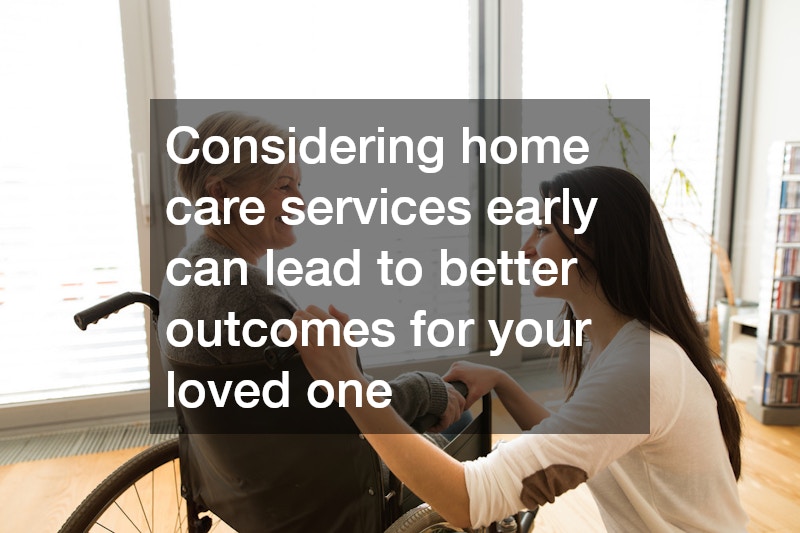
Considering home care services early can lead to better outcomes for your loved one. When you begin planning before a crisis occurs, you have the flexibility to explore various options and choose a service that best fits your family member’s needs. Early intervention can also reduce stress for both the individual needing care and their family, knowing there is a plan in place.
Proactive planning allows time to assess different home care providers and find one that aligns with your expectations. This includes evaluating the qualifications, experience, and personal rapport between caregivers and the individual needing care. A good match can significantly influence the effectiveness of the care provided and enhance the overall satisfaction with the service.
Moreover, early planning ensures financial readiness, as it gives families the opportunity to explore and budget for the cost of home care services. It also opens up more flexibility in choosing the type of care—ranging from full-time assistance to part-time support—to balance the individual’s needs with financial capabilities. Engaging in early discussions about these options can prevent last-minute decisions that might not be optimal.
How to Start the Conversation with Loved Ones
Initiating a conversation about home care services with a loved one can be sensitive. It’s important to approach the subject with empathy and understanding, acknowledging any feelings of resistance or anxiety they might have. Begin by discussing the challenges they are currently facing and the benefits that extra support can bring to their everyday life.
Listening actively to their concerns and preferences can make the conversation more productive. Involving them in the decision-making process helps them feel valued and respected, which can ease the transition to accepting home care. Share stories or examples of how others in similar situations have benefited from such services, emphasizing the positive impact on independence and quality of life.
Consider timing the discussion in a relaxed setting without distractions, where your loved one feels comfortable expressing themselves. Being patient and open to ongoing dialogue is key. It may take several conversations before they are ready to consider home care services, but approaching the topic with care and patience can lead to a successful outcome.
Choosing the Right Home Care Services
Selecting the appropriate home care services involves thorough research and evaluation. Start by determining the level of care needed based on the individual’s health condition, lifestyle, and personal preferences. Consider factors such as the type of assistance required, the frequency of care, and any specific medical needs that must be addressed.
Once the needs are identified, research potential home care providers by reviewing their credentials, reputations, and service offerings. It can be helpful to read reviews from other clients and seek recommendations from healthcare professionals or networks of families who have used similar services. This information allows you to compile a list of providers that meet your initial criteria.
After shortlisting potential providers, arrange interviews or meetings to assess their compatibility with your loved one. Pay attention to the caregiver’s demeanor, communication style, and ability to connect with the care recipient. It’s crucial that your loved one feels comfortable with the caregiver, as this relationship directly influences the quality and effectiveness of care.
Overcoming Challenges and Concerns
Embarking on the journey to find home care services often comes with various challenges. One common concern is the financial aspect, as home care can be a significant expense. Exploring insurance options, government programs, or payment plans can alleviate some of the financial burdens.
Another challenge is ensuring continuity and consistency of care. This can be addressed by maintaining open communication with the care provider, defining a clear care plan, and scheduling regular assessments to evaluate the effectiveness and satisfaction of the services provided. Flexibility in the care plan can help accommodate changing needs over time.
Overcoming emotional challenges, such as guilt or fear of dependency, is vital for a smooth transition. Encouraging positive thinking and focus on the benefits of home care services can help both the individual receiving care and their family adjust to the new arrangement. By addressing these concerns thoughtfully, families can successfully integrate home care services into their loved one’s routine.