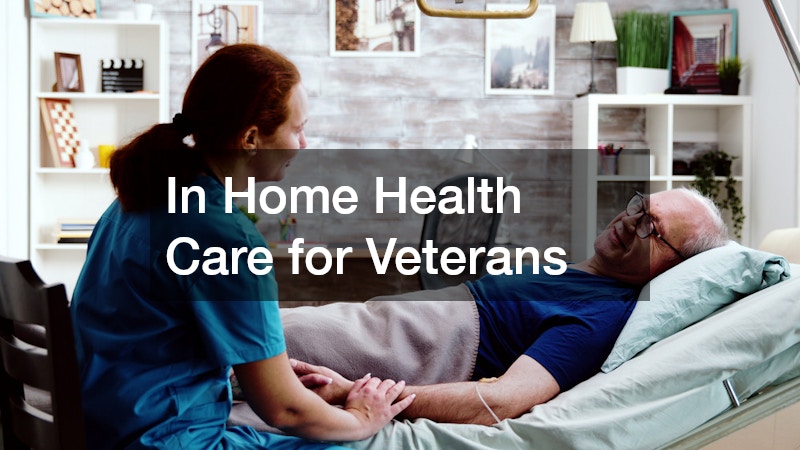
In home health care for veterans is vital for addressing their unique physical and psychological needs. It provides personalized medical attention at home, promoting better health and quality of life.
Recognizing veterans’ specific challenges is crucial to delivering effective and compassionate care.
1. What is In Home Health Care for Veterans?
1.1 Definition and Overview
Home health care for veterans provides medical and support services at home, addressing medical and daily living needs. This care promotes independence and personalization, supporting recovery in a familiar setting to build comfort and trust.
1.2 Services Provided
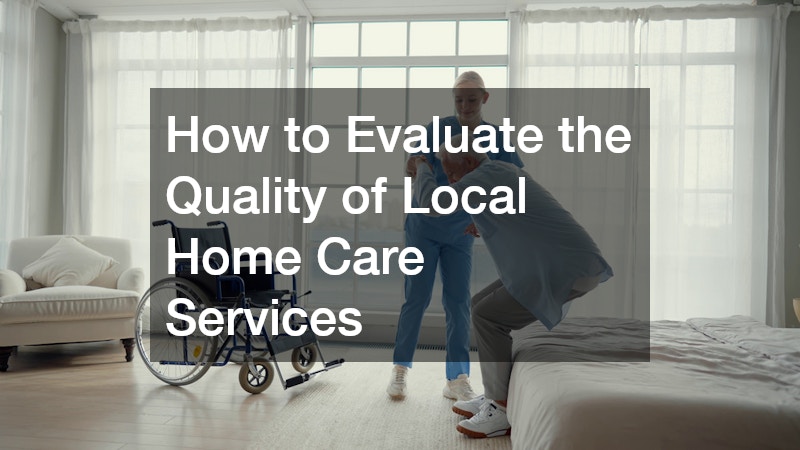
Services encompass medical visits, medication management, assistance with daily tasks, and physical therapy. This holistic approach adapts to changing health needs, ensuring ongoing support as conditions shift.
1.3 Eligibility Requirements
Eligibility requires a VA assessment showing need for continuous home care, considering service-related conditions and health status. Meeting criteria grants access to tailored services. It is important for veterans and their families to be informed about these prerequisites to navigate the process efficiently.
1.4 Benefits of In-Home Care
It offers a stress-free, familiar environment, improving recovery and health outcomes, and continuity in care fosters trust and communication, enhancing physical and emotional well-being. Personalized interactions and emotional comfort from familiar surroundings significantly contribute to the healing process.
1.5 Challenges and Solutions
Challenges include limited rural access and service quality variation. Telehealth, standard protocols, and partnerships with organizations expand care options and resources. Collaborative efforts between various stakeholders can lead to innovative solutions that meet diverse veteran needs.
2. How Can Veterans Access In-Home Health Care?
2.1 Enrollment Process
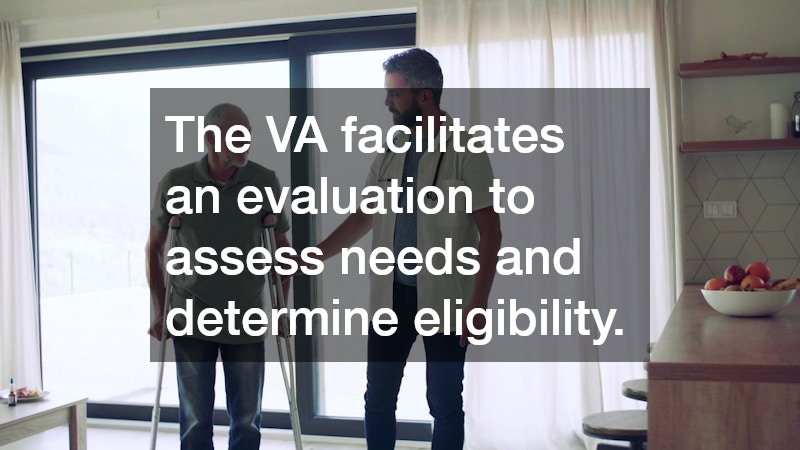
The VA facilitates an evaluation to assess needs and determine eligibility. Eligible veterans receive a personalized care plan in collaboration with VA personnel. Clear guidelines and regular follow-ups are integral to a streamlined and effective enrollment experience.
2.2 Navigating the VA System
Understanding VA processes and utilizing veteran service organizations ease access. Early engagement with VA representatives facilitates smooth service access. Utilizing local veteran networks and sharing information can significantly reduce bureaucratic challenges in accessing care.
2.3 Resources and Support Organizations
Organizations like VFW and American Legion support veterans by providing counseling, materials, and advocacy to navigate the VA system, especially for those in remote areas. They help bridge service gaps and gather community support.
2.4 Financial Assistance Options
VA programs and nonprofit grants offer financial aid to manage in-home care costs, making necessary services more affordable. Effective budgeting reduces financial stress and improves care quality.
2.5 Legal Rights and Advocacy
Knowing legal rights ensures veterans get necessary care. Advocacy groups and legal experts assist in disputes and healthcare access, helping veterans stay informed and protect their healthcare rights.
3. What Types of Professionals Provide In Home Health Care?
3.1 Medical Professionals
Doctors, nurses, and nurse practitioners provide essential medical services and collaborate on comprehensive treatment plans. Ongoing professional development maintains high standards and adapts care to evolving medical advancements.
3.2 Support Staff
Support staff offers daily living assistance, allowing veterans to focus on health and recovery, enhancing care effectiveness. Consistent training and empathetic approaches from support staff ensure an optimal living environment for veterans. Maintaining a supportive and understanding atmosphere is crucial in facilitating a smooth transition for veterans reintegrating into civilian settings.
3.3 Specialized Care Providers
Professionals like therapists address specific conditions related to military service, improving veterans’ quality of life. These specialists tailor their approaches to the unique experiences and needs veterans carry into civilian life. Specialized care providers play a vital role in bridging the gap between military-focused health care and broader, community-based support systems.
3.4 Family Involvement
Family caregivers participate in care routines, providing stability and support, crucial for recovery and adaptation. Their involvement builds a supportive ecosystem, invaluable for emotional and mental recovery processes.
3.5 Training and Certification
Comprehensive training and certifications ensure high care standards, enhancing outcomes and trust in the care system. Continuous education for all healthcare providers is necessary to uphold quality and adapt to best practices.
In home health care is crucial for veterans, directly impacting quality of life by meeting their specific health needs. Continued support and innovation are essential for providing compassionate, comprehensive care, honoring their service. Acknowledging and addressing these needs helps ensure that veterans receive the respect and care they deserve long after active service has concluded.