Key Takeaways
- Most adults over 60 live with at least one ongoing health condition, making consistent in-home support a practical necessity rather than a luxury.
- Receiving care at home has been shown to significantly lower hospital readmission rates compared to standard discharge without support.
- Familiar surroundings reduce confusion, anxiety, and the risk of setbacks during recovery from flare-ups or hospitalizations.
- One-on-one attention allows caregivers to spot subtle symptom changes earlier than rushed clinic visits typically allow.
- Personalized routines around medication, nutrition, and movement tend to produce better long-term disease management.
- Family members gain relief and clearer communication when a trained professional handles daily health tasks.
- Cost comparisons often favor in-home support over long-term facility care, especially when only part-time help is needed.
Managing a long-term condition is rarely a straight line. Blood sugar swings, blood pressure spikes, arthritis flare-ups, and memory lapses do not follow a clinic schedule. They happen on Tuesday mornings, Saturday nights, and during the quiet hours when no doctor is watching. That reality is pushing more families to rethink where care should actually take place.
For decades, the default answer was a facility. Nursing homes, assisted living campuses, and rehab centers were seen as the safe choice for anyone with diabetes, COPD, heart failure, or dementia. But the conversation has shifted. Seniors are living longer, they want to stay in familiar spaces, and the technology that supports remote monitoring has caught up with the demand.
The question now is not whether staying home is possible. It is whether staying home produces better outcomes than institutional alternatives. When you compare the two side by side, the differences get interesting fast.
How Common Are Chronic Conditions in Older Adults?
Chronic illness in later life is not the exception. It is the rule. According to Antara Senior Care, nearly 95 percent of adults over 60 live with at least one chronic condition, and almost 79 percent manage two or more at the same time. That overlap is what makes care so complicated.
A person juggling diabetes and heart disease needs more than pills on a tray. They need meal planning, foot checks, glucose tracking, blood pressure logs, and someone who notices when something feels off. Facility staff rotate through dozens of residents. A dedicated in-home aide focuses on one person.
That focus matters because small signals often precede big emergencies. A slight change in breathing. Swelling in the ankles. A new reluctance to eat. These are the clues that get missed in busy group settings but rarely slip past a caregiver who sees the same person every day.
Comparing Home Support to Facility-Based Care
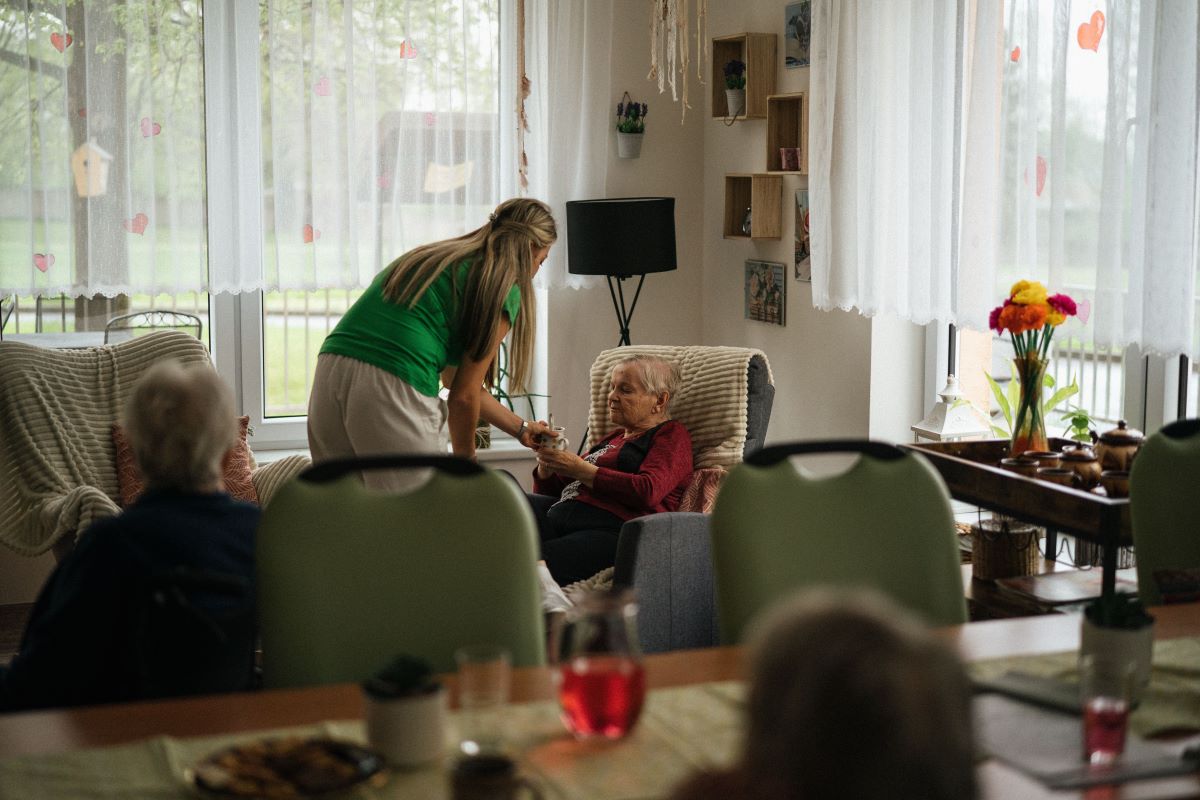
Side-by-side, the two models differ in cost, consistency, and emotional tone. Facilities offer round-the-clock staff, shared amenities, on-site medical oversight, and a built-in social calendar that some seniors genuinely enjoy. Home-based support offers privacy, personal routines, the comfort of familiar objects, and a pace of day that belongs entirely to the person being cared for. Neither option is universally better, but for seniors with stable chronic conditions, the home setting often wins on measurable outcomes like medication adherence, fall prevention in known environments, lower infection rates, and higher reported satisfaction. The benefits of home care for seniors become especially clear when the condition being managed is predictable and the household can be adapted with modest safety upgrades.
It also helps to think about the emotional layer. A facility can feel efficient but impersonal, with staff rotations that make it hard for any one caregiver to truly know a resident. Elderly home care, by contrast, tends to build a steady relationship between a senior and one or two consistent aides, which matters enormously for people with memory issues, hearing loss, or anxiety around new faces.
Here is where the two approaches typically diverge:
- Caregiver attention: one-on-one at home versus shared across many residents in a facility, often at ratios of one staff member to eight or more residents during off-peak hours
- Environment: personal and familiar at home versus clinical and standardized in facilities, with institutional lighting, shared dining rooms, and unfamiliar noises at night
- Infection exposure: lower at home, higher in congregate settings where respiratory and gastrointestinal illnesses can spread quickly between residents
- Flexibility of schedule: fully customized at home, where meals, baths, and naps happen on the senior’s clock, versus fixed routines in facilities built around staff shifts
- Family involvement: constant and easy at home, with relatives able to join meals, appointments, and evening routines, versus limited by visiting hours and shared spaces elsewhere
- Cost structure: pay for hours needed at home, which scales with the level of support, versus pay for full room and board in facilities regardless of how much hands-on care is actually used
- Continuity of belongings: a lifetime of photos, furniture, and small rituals stays in place at home, while facility moves usually require downsizing to a single room
When a Facility Still Makes Sense
Home care is not the right answer for every situation. Seniors with advanced dementia who wander, those needing round-the-clock skilled nursing, individuals on complex IV therapies that require constant clinical monitoring, or people without a safe housing setup may be better served in a residential facility. The same is true when a primary family caregiver is burning out, when the home has structural barriers that cannot be modified, or when social isolation has become its own health risk and a community setting would offer meaningful daily contact. The honest comparison acknowledges both sides. Sometimes the right path is a hybrid approach, starting with in-home support and transitioning to a facility later, or using short-term respite stays to give family caregivers a break without permanently changing the arrangement. The goal is matching the care model to the person, not defending one option against the other.
What the Outcome Data Actually Shows
Numbers tell part of the story. Research on in-home support has repeatedly shown reductions in hospital returns and improvements in daily functioning. According to AllSeniors.org, home health care can reduce hospital readmissions by up to 30 percent, which is a significant difference for anyone managing conditions like heart failure or COPD where repeated hospital stays can accelerate decline.
Functional improvements follow the same pattern. Boost Home Health reports that patients discharged with in-home support saw an 80.2 percent improvement in activities of daily living compared to those sent home without help. Daily living tasks are not minor. Bathing, dressing, moving safely from bed to chair, preparing a meal. These are the activities that determine whether a senior keeps their independence or loses it.
Readmission risk drops further when care continues beyond the first week home. The real benefits of home care for seniors show up in the quieter metrics too, such as fewer medication errors, better sleep, and steadier mood. Those outcomes do not always make headlines, but they shape quality of life more than any single stat.
Daily Routines That Make Chronic Conditions Easier to Manage
Routine is the hidden ingredient in chronic disease management. Blood sugar responds to consistent meal timing. Blood pressure responds to consistent movement and stress levels. Joint pain responds to consistent stretching. A caregiver in the home can build those routines around the person rather than asking the person to adapt to a facility schedule.
A typical day with in-home support might include:
- Morning medication review with a glass of water and a light breakfast
- A short walk or seated exercise session tailored to mobility level
- Blood pressure or glucose check logged for the doctor
- A balanced lunch prepared with the senior’s dietary restrictions in mind
- Afternoon rest, hobby time, or a video call with family
- Evening meal, final medications, and a safety check before bed
The predictability itself has therapeutic value. Seniors with cognitive decline especially benefit from the same faces, same meals, and same sequence of events each day. Anxiety drops. Sleep improves. Appetite stabilizes.
Adapting the Physical Space
A good care plan starts with the environment. Grab bars, better lighting, removed tripping hazards, and a reorganized kitchen can prevent the falls and injuries that so often trigger a cascade of health problems. Families who invest time in making your home elderly-friendly find that chronic conditions become easier to manage because the space itself stops working against the person.
The Advantages of Personalized In-Home Support for Seniors
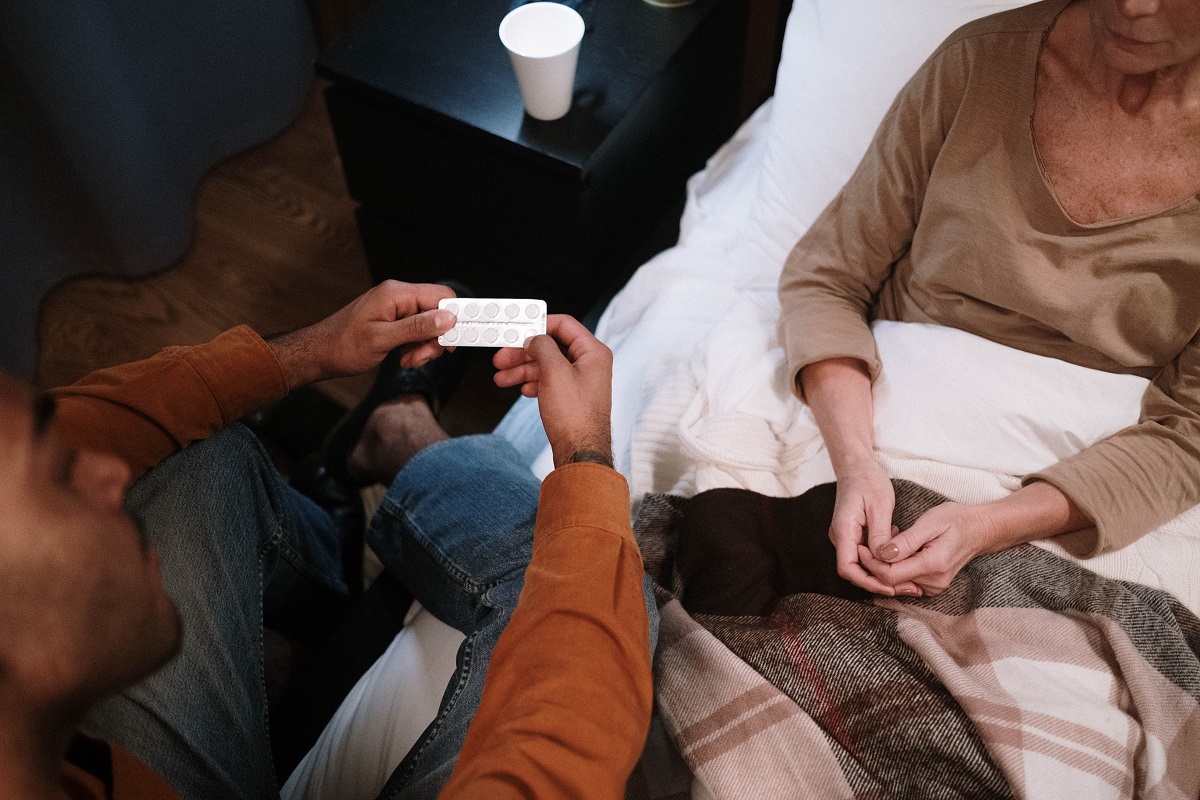
Personalization is where in-home care separates itself from almost every other option. Elderly home care plans can be adjusted weekly based on how the person is actually doing. A new symptom prompts a change in routine. A good week allows for more independence. A bad week brings in extra hours. That flexibility is nearly impossible to replicate in a facility built around standardized schedules.
Hospital returns are one of the clearest indicators of whether care is working. According to an Amedisys and Humana study, patients receiving in-home support had a 60 percent lower risk of readmission within 30 days compared to those without it. That gap reflects the difference between reactive and proactive care. A caregiver who notices swelling, confusion, or shortness of breath on day three can call the doctor before the problem becomes an emergency roomvisit on day five.
Beyond the medical metrics, personalization shapes dignity. A senior who prefers tea over coffee, who likes classical music in the afternoon, who wants to eat dinner at 5:30 sharp, gets to keep those preferences. Those small choices add up to a life that still feels like their own, which has its own effect on mental health and recovery.
Building Trust with a Consistent Caregiver
Chronic condition management depends on pattern recognition, and pattern recognition depends on continuity. When the same aide shows up three or four times a week, they learn what normal looks like for that particular person. They notice when the grip on a coffee cup weakens, when a shuffle replaces a steady walk, when answers to familiar questions start to lag.
That trust works both ways. Seniors are more likely to mention a new pain, a dizzy spell, or a skipped dose when they feel comfortable with the person asking. In rotating-staff environments, that candor often disappears. At home, with a familiar face, the conversation flows naturally and useful information surfaces before it becomes urgent.
How Families Benefit From Professional In-Home Help
The person receiving care is not the only one affected by the arrangement. Adult children, spouses, and extended family all feel the weight of chronic illness, and that weight can quietly erode their own health, careers, and relationships. Bringing in professional support lifts that burden in ways that are hard to measure but easy to feel.
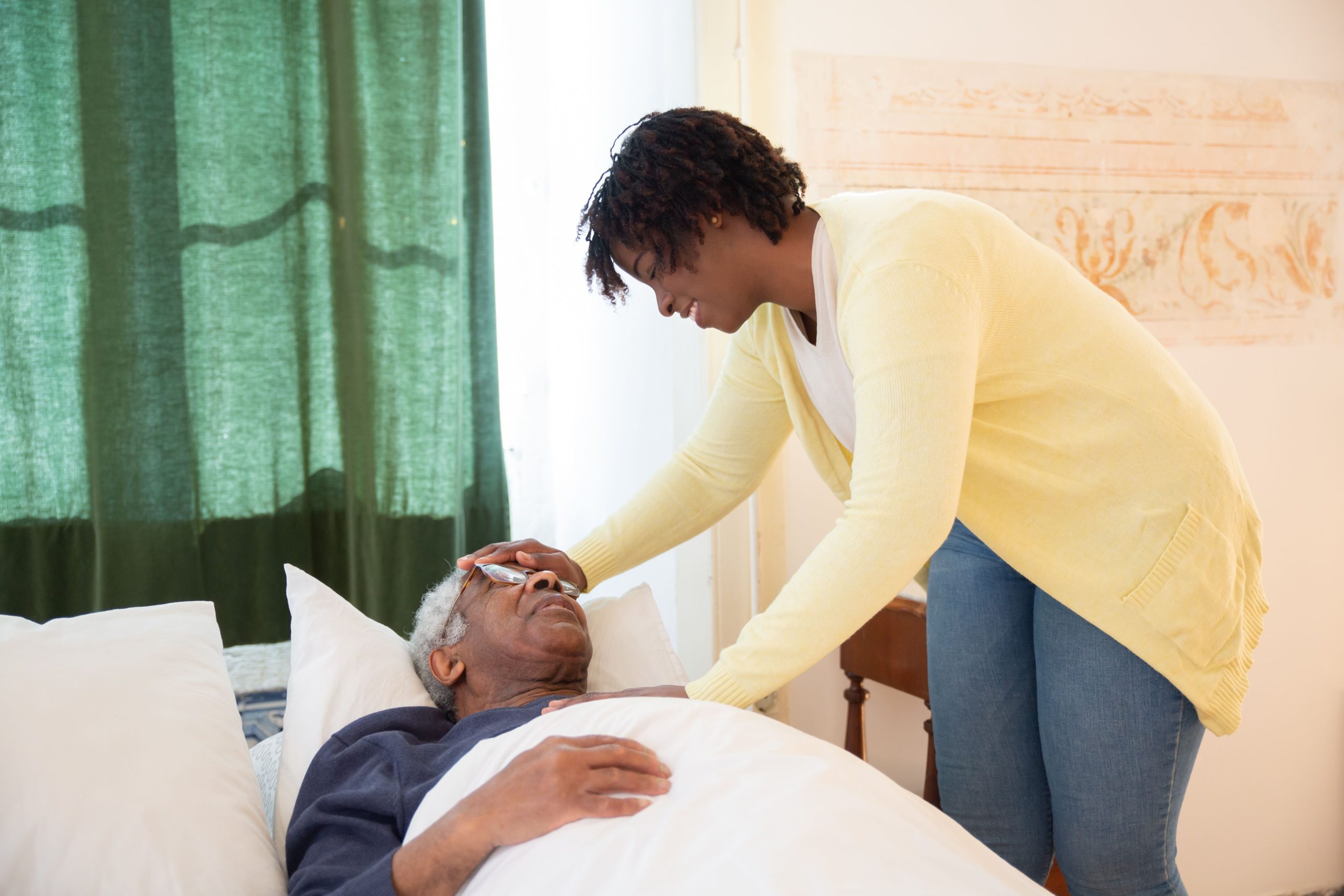
Family caregivers often carry responsibilities they were never trained for: wound care, medication schedules, insurance paperwork, transfers from bed to wheelchair. When a trained aide steps in, relatives can return to being a daughter, a son, or a spouse instead of an exhausted nurse. That shift restores something important to the relationship.
Common ways families feel the difference:
- More predictable work schedules without last-minute emergencies
- Better sleep because overnight worry decreases
- Clearer communication through caregiver notes and updates
- Reduced guilt about not being physically present every day
- Space for other relationships, including children and grandchildren
- Confidence that someone qualified is watching for warning signs
Shared Decision-Making With Health Providers
A professional caregiver also becomes a bridge to the medical team. They track symptoms between appointments, keep logs the doctor can review, and translate clinical instructions into daily action. When the family meets with a physician, everyone arrives with the same information. Decisions get made faster and with fewer gaps.
Financial Realities Worth Considering
Cost is almost always part of the conversation, and it should be. In-home support is not free, but the pricing model works differently than a facility. Families pay for the hours they actually use. Someone who needs four hours a day of help pays for four hours, not for a bed, three meals, utilities, and overhead rolled into a single monthly rate.
For seniors whose conditions are stable and whose homes are already safe, part-time support often costs less than a comparable facility stay. Even full-time in-home care, which runs higher, may be competitive with memory care or skilled nursing pricing depending on the market. The math varies by region and by level of need, so running the numbers specific to your situation matters more than assuming either option is cheaper.
Insurance coverage has also expanded. Medicare covers certain home health services following a qualifying event, and long-term care insurance policies increasingly include in-home benefits. Veterans may qualify for additional programs. A short conversation with a benefits counselor often uncovers resources families did not know existed.
Closing Thoughts
Chronic conditions do not have to mean leaving the home that holds decades of memory. The evidence keeps pointing in the same direction: seniors supported in familiar surroundings recover faster, return to hospitals less often, and hold onto their independence longer. Those outcomes are not accidents. They come from consistent routines, attentive caregivers, and environments built around the person rather than the institution.
Choosing in-home support is still a serious decision. It requires honest assessment of safety, finances, and the level of care a condition actually demands. Some situations call for a facility, and that choice deserves respect too. But for the large majority of seniors managing diabetes, heart disease, COPD, arthritis, or early cognitive changes, the home remains a powerful place to heal and to live.
The best care plans are the ones that evolve. Needs change, conditions progress, and families adapt. What matters is starting the conversation early, gathering reliable information, and building a team that treats the senior as a whole person rather than a list of diagnoses. When that happens, home becomes more than a residence. It becomes part of the treatment itself.