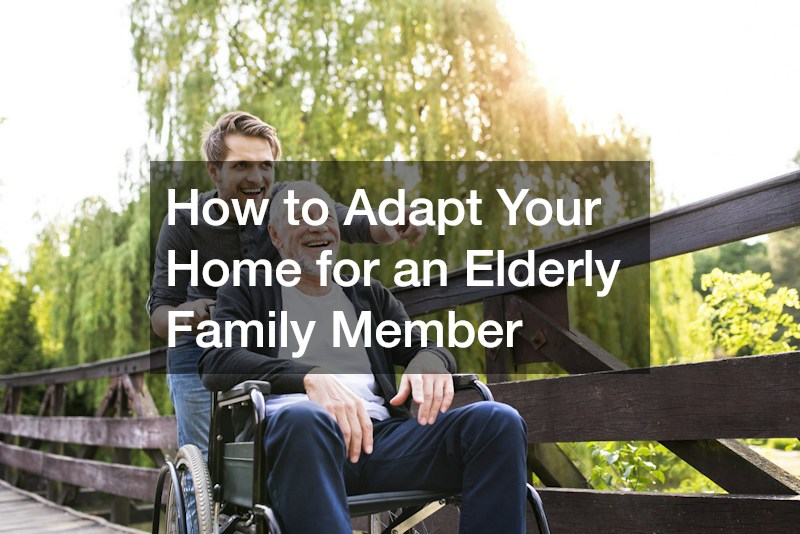
Adapting a living space for an aging relative is one of the most practical and caring steps a family can take to support their loved one’s independence and safe transition into later life. As physical mobility changes, vision diminishes, and daily routine tasks begin to require significantly extra physical effort, the familiar layout of a multi-story or older home can quickly present unforeseen hazards. Proactively modifying key structural areas allows seniors to remain comfortably in their home for as long as possible while giving family members and caregivers complete peace of mind, knowing that basic health, security, and personal accessibility needs are being fully met with high safety standards.
Thoughtful adjustments transform a standard residence into a deeply supportive environment tailored specifically to evolving physical requirements. Beyond eliminating immediate safety risks like steep steps, slick floors, and dimly lit hallways, strategic home upgrades dramatically improve daily functional movement and enhance overall emotional quality of life. By comprehensively addressing structural pathways, electrical systems, climate control, non-slip surfaces, and legal support arrangements, families can establish a seamless plan that accommodates immediate physical needs while thoroughly preparing for long-term health and lifestyle considerations.

Enhancing Multilevel Mobility Solutions
Navigating stairs safely is often one of the very first and most critical challenges elderly individuals face when choosing to age in place within a multi-story residence. Steep steps, high risers, or a complete lack of sturdy support handrails can severely restrict access to essential upper areas of the home, such as primary upstairs bedrooms, main linen closets, or full bathrooms. Installing a reliable stair lift allows individuals with limited leg strength, severe joint pain, or balance issues to transition smoothly between floor levels without risking dangerous falls or relying on constant, exhausting physical assistance from family members.
When planning vertical transport solutions for a residence, it is essential to evaluate the specific shape, width, and structural integrity of your existing staircase. Curving or narrow stairwells may require custom rail designs to ensure seamless, safe travel along the wall, while straightforward straight runs offer quick, minimal-disruption installation options. Providing an easy, comfortable way to move between floors preserves a senior’s autonomy, drastically reduces physical strain on daily caregivers, and ensures that every level of the home remains completely accessible, comfortable, and fully usable every single day.
Improving Navigational Clearance and Entryways
Creating wide, completely unobstructed pathways throughout all main living spaces is vital for accommodating various mobility aids and preventing unnecessary bumps, trips, or structural bottlenecks. Standard interior doorways, narrow hallway passages, and cluttered living areas frequently present significant physical barriers for individuals who require specialized equipment to move around their living environment independently. Expanding door frames, clearing main walking corridors, and removing decorative floor obstacles or thick accent rugs ensure that someone relying on wheelchairs can navigate every room smoothly, safely, and without constant physical frustration.
Beyond expanding interior pathways, main entryways to the home require careful attention to completely eliminate threshold steps and uneven exterior transitions. Installing smooth, low-profile thresholds prevents footwear from catching on raised edges, while gently sloping exterior access ramps allow for continuous, effortless movement from the driveway straight into the main living spaces. Designing these wide, continuous paths grants seniors the vital freedom to participate in everyday household activities and move comfortably between rooms without feeling confined or restricted by spatial limitations.
Updating Electrical Wiring and Fixture Outlets
Adequate indoor lighting and accessible power controls play a crucial role in preventing accidental stumbles and supporting seniors who are coping with declining vision. Older homes often feature low-mounted outlets near the baseboards, awkwardly placed light switches, or outdated wiring systems that simply cannot handle modern medical equipment, oxygen concentrators, or specialized safety fixtures. Hiring a certified electrician ensures that your home’s electrical infrastructure is safely updated, fully code-compliant, and equipped to support heightened power demands alongside modern, accessible lighting requirements.
Strategic electrical updates should focus on replacing traditional toggle switches with easy-to-use rocker-style light switches set at comfortable heights, as well as repositioning wall outlets significantly higher off the floor to eliminate dangerous bending. Nightlights equipped with automatic motion sensors placed strategically along pathways to the bathroom or kitchen enhance nighttime safety immeasurably. Furthermore, upgrading to tamper-resistant outlets and adding smart lighting switches allows both seniors and caregivers to control home lighting effortlessly through simple voice commands, automated timers, or mobile applications.

Transforming Bathrooms for Maximum Safety
The bathroom is statistically one of the most hazardous rooms in the entire home for senior citizens due to slick, wet surfaces and frequent physical body transitions. Modernizing this specific space to eliminate dangerous slip hazards and ease physical strain is a foundational requirement when executing any comprehensive home adaptation project. Executing a targeted bathroom remodel allows families to replace tall, hazardous bathtub walls with seamless low-threshold walk-in showers, anchor heavy-duty grab bars securely into wall studs near key fixtures, and install high-traction, slip-resistant flooring throughout the room.
A well-designed, functional bathroom upgrade prioritizes both physical safety and overall personal dignity for aging family members. Incorporating functional amenities like handheld showerheads with adjustable slide bars, integrated fold-down shower seating, and comfort-height toilets enables older adults to manage daily personal hygiene tasks with minimal reliance on outside help. Thoughtfully updating wet areas significantly minimizes the catastrophic risk of dangerous slips and falls while providing a comfortable, modern aesthetic that adds substantial long-term value to the residential property.
Creating Bright and Therapeutic Living Areas
Natural sunlight and open, relaxing interior environments exert a profoundly positive influence on emotional well-being, mood stability, and natural circadian rhythms, which are especially vital for older adults who spend extended periods indoors. Expanding the living space to include bright, dedicated light-filled rooms provides a pleasant retreat where seniors can comfortably enjoy natural sunshine and beautiful outdoor views regardless of seasonal weather conditions. Enclosing underutilized outdoor patios or adding sunrooms creates comfortable, fully climate-controlled environments that naturally encourage quiet relaxation, gentle physical stretching, and peaceful daily routines.
These bright, inviting architectural additions serve as ideal spaces for social interaction with visiting relatives, enjoying morning coffee, or pursuing quiet hobbies like reading, painting, and indoor gardening. When incorporating extra glass-enclosed living spaces into your floor plan, always ensure the flooring is completely level and slip-resistant, while installing easily adjustable window treatments to effectively manage natural glare and internal ambient temperatures. A dedicated, well-lit relaxation space enhances daily life, boosts energy levels, and helps maintain a vital visual connection to the surrounding outdoor neighborhood.
Ensuring Continuous Emergency Power Backup
Essential medical equipment, specialized adjustable bedding, stair mobility devices, and consistent indoor climate controls rely heavily on an uninterrupted power supply to function safely and reliably. Sudden power outages caused by severe seasonal storms, utility failures, or grid overloads pose immediate, serious health risks to vulnerable individuals who depend on electrically powered health devices or precise indoor temperature regulation. Installing a whole house generator guarantees that critical health systems, refrigeration for temperature-sensitive medication, and home security monitoring stay continuously operational during unexpected electrical disruptions.
Automatic standby power systems detect grid outages instantly and switch on within seconds, completely eliminating downtime, physical disruption, and emotional stress for both the individual and their caregivers. Positioning primary unit controls and remote diagnostic displays where they are extremely easy to read allows for simple, stress-free monitoring at all times. Having a dependable emergency backup system provides immense peace of mind, ensuring that vital environmental controls and essential health support technologies continue to function seamlessly through any severe weather event.
Optimizing Indoor Temperature Control Systems
Maintaining a consistent, comfortable indoor climate is essential for senior health, as aging individuals are frequently much more sensitive to extreme summer heat waves or sudden winter cold snaps. Inadequate heating or insufficient cooling can rapidly exacerbate chronic health conditions, severely impact restorative sleep quality, and lead to acute physical distress or cardiovascular strain. Scheduling regular maintenance inspections, duct cleanings, or complete system upgrades for your HVAC Service guarantees that your indoor air units consistently maintain accurate temperature settings, proper humidity levels, and optimal indoor air quality year-round.
Modern heating and cooling installations frequently feature multi-zone programming capabilities and smart thermostats, allowing caregivers to customize specific temperatures for individual rooms based on personal preference and medical need. Advanced air filtration attachments and UV purification systems also work continuously to filter out airborne dust, mold spores, pollen, and common allergens, promoting significantly better respiratory health for individuals spending more time indoors. Ensuring your climate control systems operate cleanly and efficiently creates a stable indoor environment that actively supports overall physical wellness.
Integrating Specialized Lighting and Smart Controls
Proper illumination across every single room is essential for reducing eye strain and actively assisting seniors with declining vision in clearly identifying changes in floor levels, steps, or potential floor obstacles. Task lighting installed over kitchen preparation counters, bright vanity fixtures in restrooms, and automated, low-level hallway illumination eliminate dark corners, deep shadows, and hazardous visual blind spots. Engaging licensed electricians to install automated motion sensors, dimmers, and dedicated electrical circuits prevents overloaded outlets while ensuring clear, bright, and even light coverage across every single living area.
Integrating smart home automation technology simplifies daily household operations for individuals living with reduced manual dexterity, tremors, or arthritis. Voice-activated controls for indoor lighting, motor-driven automated window shades, and smart digital door locks allow seniors to manage their home environment easily without needing to strain, stand up unexpectedly, or stretch awkwardly across heavy furniture. These integrated technological enhancements streamline daily tasks, creating an intuitive, highly responsive living space that accommodates changing physical capabilities effortlessly over time.

Organizing Financial and Legal Protections
While physical home modifications are crucial for daily physical safety, preparing for comprehensive long-term care also requires properly structuring legal and financial affairs to protect your family member’s assets, housing rights, and personal healthcare preferences. Navigating property ownership transitions, funding necessary structural renovations, and establishing formal decision-making authority ensure that ongoing care plans execute smoothly without encountering sudden administrative roadblocks or costly delays. Working closely with legal professionals specialized in estate planning allows families to draft legal power of attorney documents, establish binding healthcare directives, and structure personal assets effectively.
Establishing clear, legally binding documentation protects the senior’s explicit wishes regarding future medical treatments, hospital preferences, and financial management if they ever become unable to voice choices independently. Furthermore, proper financial planning helps families identify potential property tax credits, specialized insurance benefits, or local government grants specifically designed to assist with home accessibility alterations. Addressing these vital administrative steps early relieves immense emotional stress and ensures that available financial resources are properly preserved and allocated toward high-quality, long-term care.
Contracting Qualified Professional Renovation Teams
Executing major structural adaptations, complex electrical updates, or specialized room conversions requires expert craftsmanship to ensure all installations conform strictly to local building codes and rigorous safety standards. Complex construction tasks like widening load-bearing walls, re-routing underlying plumbing lines, or constructing long, safely sloped ramped entries should always be managed by experienced building professionals. Partnering with a fully vetted general contractor ensures that all design plans are executed accurately, on schedule, and within your family’s defined budget parameters.
A qualified construction project manager coordinates various specialized trades, secures all mandatory local building permits, and recommends high-performance materials built for long-term safety and durability. When selecting a contractor, seek out professionals with verified experience in universal design or certified aging-in-place standards, as they possess deep, specialized knowledge regarding optimal grab bar blocking, proper ramp ratios, and ideal accessible cabinetry heights. Professional oversight guarantees that every single home alteration is structurally sound, safe, aesthetically pleasing, and customized to your family’s unique lifestyle needs.
Implementing Non-Slip Flooring and Pathway Treatments
Floor surfaces represent one of the single most influential variables in preventing accidental falls and ensuring smooth, effortless mobility throughout the home. Deep pile carpeting, raised transition strips, loose rugs, and highly polished porcelain tiles create substantial tripping and slipping hazards for seniors who may shuffle their feet or rely on steady, high-traction footing. Replacing slick or uneven flooring materials with low-pile commercial carpeting, slip-resistant luxury vinyl planks, or specialized textured tiles ensures firm, stable footing across all zones of the home.
In addition to choosing appropriate surface materials, maintaining smooth, completely level transitions between different rooms and surface types is paramount. Securely tacking down loose carpet edges, eliminating decorative accent throw rugs entirely, and applying non-skid coatings to hard surfaces minimize sudden stumbles. Providing consistent, high-traction flooring throughout all primary walkways builds immense physical confidence, allowing aging relatives to move independently and comfortably from room to room without the constant fear of slipping or falling.
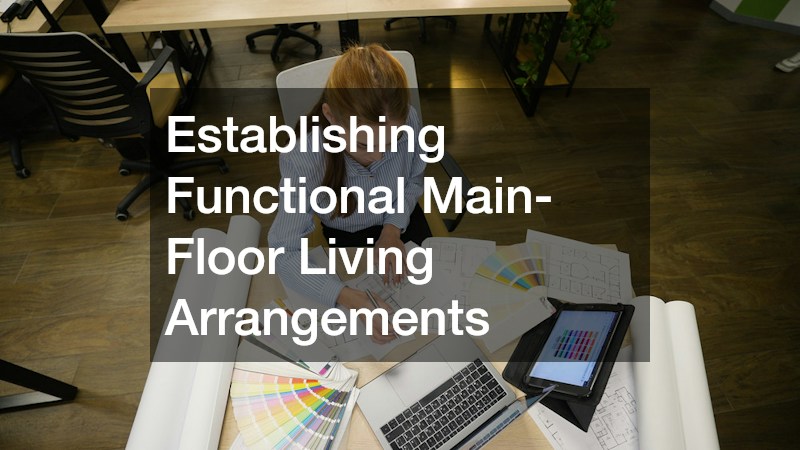
Establishing Functional Main-Floor Living Arrangements
Reconfiguring a multi-level floor plan to consolidate all essential daily activities onto the main ground floor eliminates the demanding physical strain of climbing stairs on a daily basis. Relocating the primary bedroom, main laundry appliances, and core relaxation areas to the ground level ensures that every vital daily routine can be completed on one continuous, easily accessible floor level. This spatial reorganization simplifies daily care routines, prevents physical exhaustion, and completely eliminates the risk of catastrophic stair-related accidents.
Converting an underutilized formal dining room, ground-floor den, or home office into a comfortable master suite allows for direct, step-free access to the kitchen and main social areas. Ensuring that the accompanying main-floor bathroom is nearby and equipped with zero-threshold access completes a self-contained, highly functional living zone. Designing a comprehensive single-level environment promotes maximum long-term independence, ensuring the residence remains comfortable, safe, and fully usable as physical health needs evolve over time.
Transforming a home to support an aging relative is a deeply meaningful investment in safety, personal dignity, and overall family well-being. By taking a comprehensive approach that thoughtfully addresses structural accessibility, power dependability, environmental climate control, non-slip surfaces, and formal legal protections, you build a living environment where your loved one can truly thrive. These proactive modifications empower seniors to maintain their valued independence while providing caregivers and family members with lasting confidence and peace of mind for the years ahead.